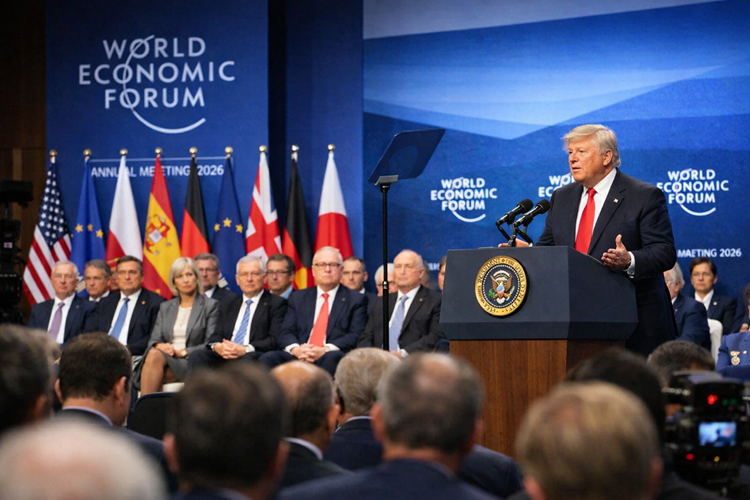
Global cooperation is the practical work countries do together to address problems that cross borders. Disease outbreaks, climate change, cyber threats, financial instability, forced displacement and armed conflict do not stop at national boundaries. Governments remain responsible to their own citizens, but national action alone is often insufficient when causes and consequences are international.
Why shared problems need shared responses
Pollution can move across borders, cyber incidents can affect systems in several countries and infectious diseases can spread through travel. Financial shocks can travel through supply chains and markets. Cooperation helps governments exchange information, coordinate standards and avoid actions that shift costs onto neighbours.
Peace and security
Diplomatic channels, regional organisations, arms-control arrangements and international law can help manage disputes. Cooperation does not remove strategic competition, but it can reduce uncertainty and create procedures for handling crises. The UN Charter provides a framework for peaceful settlement and collective action.
Climate and environmental action
Climate risks affect food systems, infrastructure, health and livelihoods across regions. Countries can cooperate through emissions commitments, climate finance, adaptation planning, technology transfer and shared scientific monitoring. Agreements need credible implementation and support for communities with fewer resources.
Health, science and humanitarian response
International research networks and public health cooperation help detect outbreaks and share knowledge. Humanitarian coordination can reduce duplication and direct assistance towards people in greatest need. Data sharing must respect privacy, safety and national legal frameworks.
Technology governance and AI
AI systems and digital services operate across borders. Countries can work towards compatible standards for safety, transparency, privacy and accountability. International cooperation can also help prevent regulatory gaps that encourage harmful practices while preserving room for innovation.
Why cooperation is difficult
Governments may disagree about fairness, sovereignty, costs and the distribution of benefits. Powerful states may resist constraints, while less-resourced countries may question whether commitments will be honoured. Domestic political changes can weaken international agreements. Trust requires transparency, predictable financing and fair participation.
How to make cooperation more effective
Set clear goals, assign responsibilities, publish progress, include affected communities and create ways to resolve disputes. Agreements should be realistic and measurable. Regional organisations can adapt global commitments to local conditions, while independent monitoring can help identify implementation gaps.
Conclusion
Global cooperation is not idealism detached from national interest. It is a way to manage shared risks and create outcomes that individual countries cannot reliably achieve alone. Durable cooperation requires fairness, accountability, respect for international law and sustained political commitment.