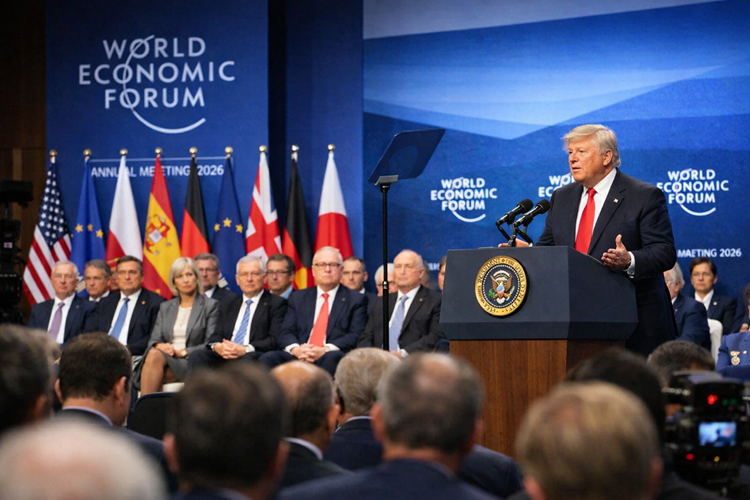
Political misinformation is false or misleading information about political events, public officials, elections or government policy that is shared regardless of whether the person spreading it intends to deceive. It can confuse voters, deepen social divisions and damage confidence in public institutions.
Not every inaccurate post is part of a coordinated campaign. Some errors are shared by people who believe them to be true; other content is deliberately created to manipulate audiences. In either case, readers can reduce the spread of misleading claims by pausing and checking evidence before sharing.
Misinformation, disinformation and propaganda
Misinformation generally refers to false or misleading information shared without necessarily intending harm. Disinformation is deliberately created or distributed to deceive. Propaganda is communication designed to influence attitudes or behaviour, often through selective presentation, emotional appeals or repetition. These categories can overlap.
Check the original source
Ask who first published the claim. Is it an identifiable news organisation, public institution, research body or named expert? Does the post link to an original document, full speech, official statement or complete interview? Screenshots without a traceable source are difficult to verify. If a post attributes a statement to a public figure, search for the full speech or transcript.
Read beyond the headline
Headlines may simplify a complex story. Read the full report and check whether the evidence supports the headline. Notice whether the article distinguishes confirmed facts from allegations, analysis and opinion.
Check the date and context
Old photographs, videos and news reports are often reposted as if they show a current event. Confirm when material was originally published and where the event took place. A genuine image can still be misleading when used with a false caption.
Compare independent sources
Look for confirmation from more than one credible source. Independent reporting is more useful than several websites repeating the same unverified post. For important claims, seek primary documents or direct statements where possible.
Verify photographs, audio and video
Reverse image search can help locate earlier appearances of a photograph. Compare landmarks and weather with the claimed location, and check whether reputable news organisations have verified the material. For video, search distinctive phrases from the audio and look for a longer version.
AI-generated media makes these checks more important. Deepfakes can imitate faces and voices, but visual glitches alone are not a reliable test. Learn more in AI Deepfakes and Democracy.
Separate facts from opinions
A statement that a law was amended on a particular date can be checked against official records. A statement that a government is the worst in history is an opinion or evaluation. Opinion is part of democratic debate, but it should not be presented as independently verified fact.
Watch for emotional manipulation
Posts that provoke intense anger, fear or excitement may be designed to bypass careful thinking. Warning signs include urgent demands to share immediately, sweeping claims about entire communities, anonymous insider sources and dramatic allegations with no supporting evidence. Emotion does not automatically make a claim false, but it is a reason to slow down.
A five-step verification checklist
- Pause: Do not share immediately, especially if the post is alarming.
- Trace: Find the original publisher, document, speech or image.
- Check: Verify the date, location, author and evidence.
- Compare: Look for independent confirmation and context.
- Decide: Share only if sufficiently supported; otherwise do not amplify it.
Correct mistakes openly
If you have shared something false, correct it openly. Remove the post if appropriate, add a correction and explain that the information was not verified. Focus on evidence rather than humiliating someone who made an honest mistake.
Why media literacy matters
Democracy depends on citizens being able to discuss public issues using a reasonably shared understanding of facts. Media literacy means applying consistent standards to all sources, including those that support our own views. Independent journalism is vital to this information environment; read why freedom of the press matters.
Conclusion
Identifying political misinformation requires patience, curiosity and consistent verification. Check original sources, dates, evidence and context; compare independent reporting; and resist pressure to share emotionally charged claims immediately.