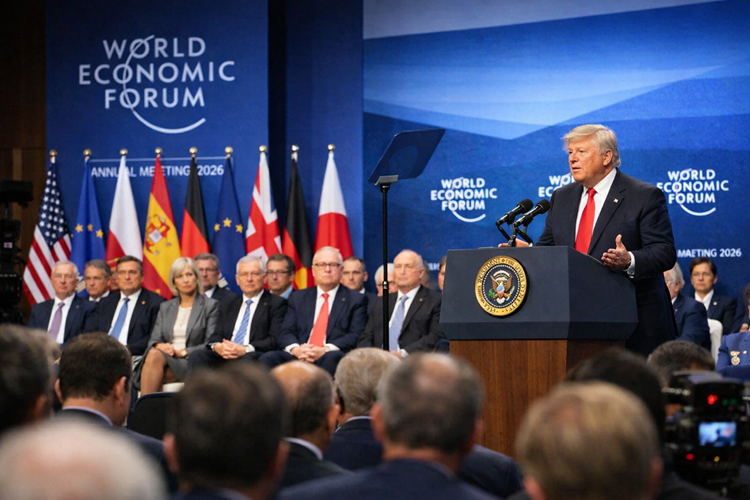
The importance of diplomacy becomes clearest when relations between countries are tense. Diplomatic engagement does not guarantee agreement, and it cannot resolve every conflict. It does, however, provide channels for communication, negotiation and crisis management when military action could cause enormous human and economic harm. Preventing war is not a single meeting or a statement of goodwill; it is sustained work to reduce misunderstandings, address grievances and create credible ways for parties to manage disagreement.
Diplomacy creates communication when trust is low
Embassies, special envoys, hotlines and multilateral forums allow governments to communicate even when relations are strained. Direct channels can clarify intentions, communicate red lines and reduce the risk that an incident is misread as a deliberate attack. In a crisis, timely communication can be as important as public statements.
Negotiation can turn a confrontation into a process
Negotiations identify the issues in dispute, the interests behind each position and possible areas of compromise. A durable process may require technical experts, security guarantees, monitoring arrangements, phased implementation and continued contact after an agreement is signed. A rushed announcement without workable details may not last.
Preventive diplomacy is often less visible than war
Preventive diplomacy seeks to stop disputes from escalating. It can involve quiet dialogue, mediation, confidence-building measures, early warning and engagement with regional organisations. The United Nations describes prevention and mediation as central tools for limiting escalation. The work may be difficult to measure because success can mean that a crisis never becomes a headline.
International law provides a shared framework
The UN Charter requires members to seek peaceful settlement of disputes and identifies negotiation, enquiry, mediation, conciliation, arbitration and judicial settlement among available methods. Legal principles do not remove political disagreement, but they provide standards and procedures that can help prevent the use of force from becoming the default response.
Diplomacy must include affected communities
Agreements negotiated only by powerful leaders may overlook local grievances, displaced communities, women, young people and groups exposed to violence. Inclusive processes can improve legitimacy and reveal practical issues that high-level negotiators may miss. Inclusion must be meaningful, not a symbolic invitation after decisions have already been made.
Why diplomacy sometimes fails
Negotiations can fail when parties see greater advantage in continued fighting, distrust commitments, face domestic pressure or lack a credible mediator. External sponsors may pull in different directions. Agreements may also collapse if they do not address security concerns, justice, economic recovery or implementation. Failure should prompt analysis of incentives and design, not the conclusion that dialogue is useless.
What governments and citizens can support
Governments can maintain crisis communication, invest in professional diplomatic services, support regional dialogue and honour agreements. Citizens can resist dehumanising rhetoric, seek reliable information and support peaceful civic engagement. Independent journalism and public scrutiny can help ensure diplomacy is transparent enough to maintain trust while preserving space for sensitive negotiations.
Conclusion
Diplomacy is not weakness; it is a practical instrument for managing competing interests without resorting to war. Its success depends on preparation, credible commitments, inclusive processes and sustained follow-through. In a world of interconnected risks, keeping channels for dialogue open is an investment in human security.